Community Land Trust: Placekeeping for the local Placekeepers
How do we preserve affordable housing for our community over the long term?
March 5, 2026
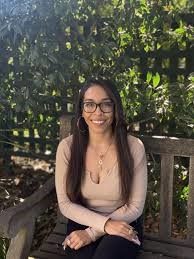
Ofelia Bello joined Building a Better SLO to share hands-on experience with one potential solution: the Community Land Trust (CLT). As Program Director of Community Owned Real Estate at EPACANDO and PAHALI Community Land Trust in her hometown of East Palo Alto, Ofelia shared how community land trusts work, benefits of the CLT model, and examples of current projects.
This important but relatively uncommon form of housing is gaining attention as communities look for innovative ways to increase housing affordability, especially for long-term residents. Community land trusts are not-for-profit organizations that acquire and hold land in perpetuity on behalf of the community for housing and other community serving purposes. Ofelia will illustrate how CLTs can preserve affordable homeownership opportunities through the long-term leasing of land under owner-occupied homes.
Pahali is a community land trust serving the residents of East Palo Alto with the mission of “placekeeping for the local placekeepers.” Pahali operated as a volunteer-run organization until 2020, when it entered into an administrative merger with East Palo Alto Community Alliance & Neighborhood Development Organization (EPACANDO). Through this partnership, Pahali Community Land Trust has expanded its capacity to empower community members to increase control of their housing situations. Pahali’s aims to steward and expand the East Palo Alto community’s portfolio of permanently affordable homeownership opportunities. The CLT envisions an East Palo Alto where all residents enjoy housing stability, empowering them to be stewards of their homes.
Prior to her staff role, Ofelia served on the Pahali Board of Directors for six years. She has a passion for housing justice, civic engagement, youth development, and social movement work; and brings eight years of experience in tenant rights’ organizing and public policy, with an emphasis on housing policy. Ofelia previously served on the East Palo Alto Planning Commission and has held elected office in East Palo Alto within a special district. When Ofelia is not working or volunteering, she is likely exploring the Bay Area, looking for her next favorite food spot, park, or history museum.
For more information about Jim and his program, please visit his website here
Building Small: Community Not Commodity with Jim Heid
New approaches on how to shape the built environment with practical methods
September 18, 2025
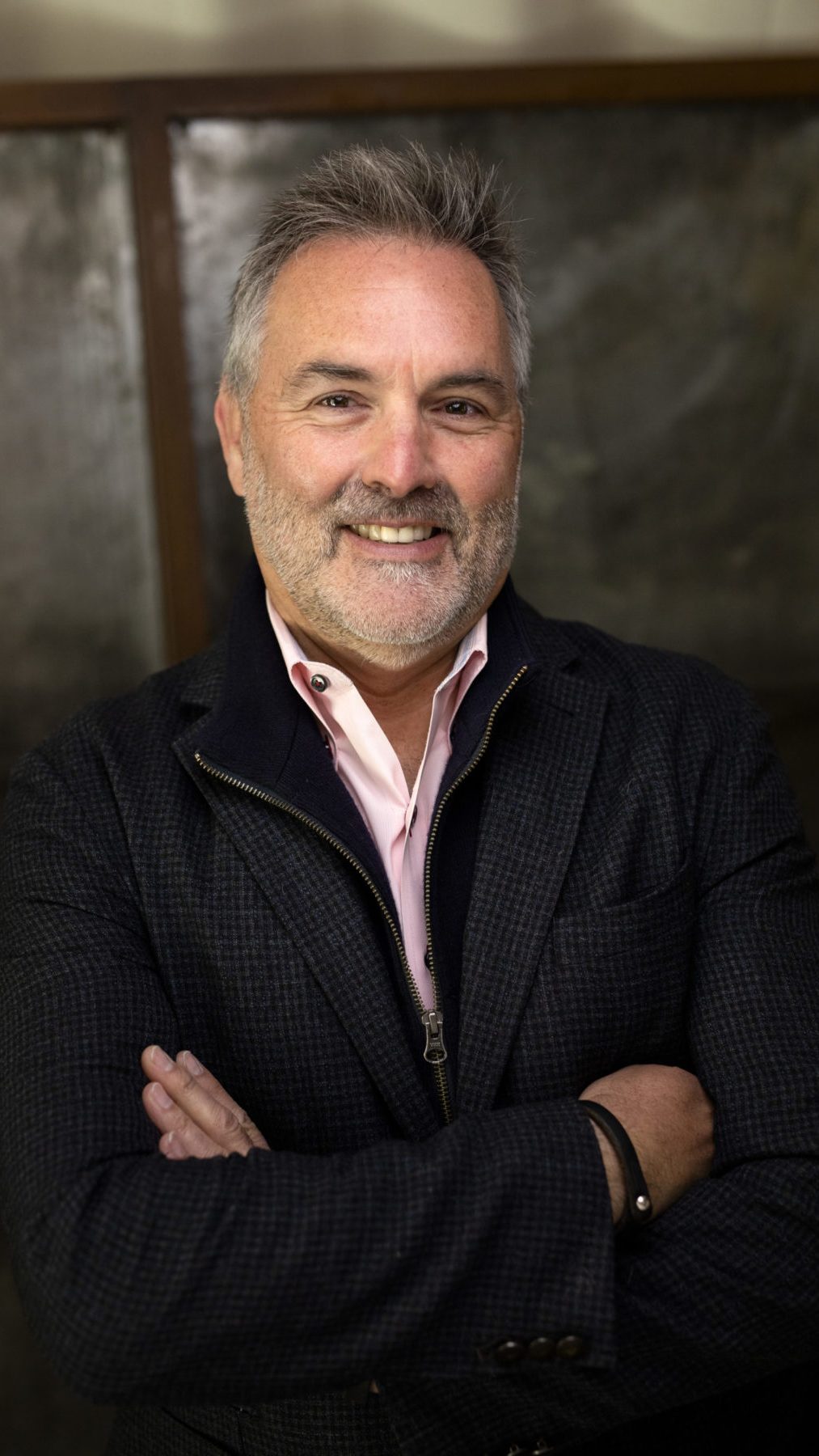
Jim is an infill developer and development advisor based in Sonoma County, California. Known for his aspirational but practical approach, he works with a range of tools and best practices to communicate the value of inspired design and sustainability within the realities of market norms. With over forty years experience as an urban designer, land planner, sustainability strategist and now infill developer, he brings a broad range of perspectives and skills to the discussion about how communities can – and should – grow. Trained as a landscape architect, he received a Masters in Real Estate Development from Massachusetts Institute of Technology (MIT) as way to more effectively integrate economics, development and design thinking.
In 2012 Jim launched the Small Scale Developer’s Forum (SSDF) to elevate the visibility and capacity of entrepreneurial real estate developers working to build community, not commodity. The projects and people he met led to Building Small: A Toolkit for Real Estate Entrepreneurs, Civic Leaders and Great Communities. The seminal book, published in 2021 by the Urban Land Institute (ULI). Acclaimed for both its inspirational call to action and accessible and practical tools, it is s now widely used in graduate design, real estate and emerging developer training programs.
Jim is an active member of the ULI, often chairing national Advisory Panels dealing with community growth challenges; sits on the Advisory Board for the Council of Infill Builders; and is an invited reviewer of papers by the Terner Center for Housing Innovation. He was appointed to the City of Healdsburg’s Housing Element Working Group and is the current Chair of the Healdsburg Chamber of Commerce.
Trained as a landscape architect, Jim went received a Masters in Real Estate Development from Massachusetts Institute of Technology (MIT) to integrate design and practical economic solutions. His innovative work was recognized with the MIT Spaulding Award in June 2025. Awarded just 12 times in 40 years, the Spaulding is given to MIT CRE alumni, “whose work in the real estate industry has enriched the profession and whose community involvement has been marked by distinguished service or leadership”.
For more information about Jim and his program, please visit his website here
Homelessness is a Housing Problem With Gregg Colburn
Understanding the Real Causes of Homelessness & Solutions for Lasting Change
May 8, 2025

Gregg Colburn, co-author of Homelessness is a Housing Problem, presented a compelling, data-driven analysis of why homelessness is not primarily caused by individual failings but is instead a direct outcome of housing market conditions. His talk challenged common misconceptions and offer actionable insights for addressing homelessness in cities like San Luis Obispo.
Many people believe homelessness is driven by personal issues such as mental illness, substance abuse, or joblessness. While these factors can contribute, Colburn’s research reveals that they do not explain why some cities have significantly higher homelessness rates than others. Instead, housing affordability and availability are the primary determinants. His data compared cities with varying levels of homelessness and found that tight rental markets with high housing costs consistently produce higher levels of homelessness. He highlighted that policy interventions focused on housing stability are the most effective in reducing homelessness long-term.
Colburn’s research has direct implications for the Central Coast, where rising rents and limited affordable housing are increasing homelessness rates. His talk will explore:
- How local zoning and development policies can be adapted to increase housing supply.
- The role of public and private partnerships in funding affordable housing.
- Why evidence-based solutions must guide policy decisions rather than reactive, short-term fixes.
About the book: In Homelessness Is a Housing Problem, Gregg Colburn and Clayton Page Aldern seek to explain the substantial regional variation in rates of homelessness in cities across the United States. In a departure from many analytical approaches, Colburn and Aldern shift their focus from the individual experiencing homelessness to the metropolitan area. Using accessible statistical analysis, they test a range of conventional beliefs about what drives the prevalence of homelessness in a given city—including mental illness, drug use, poverty, weather, generosity of public assistance, and low-income mobility—and find that none explain the regional variation observed across the country. Instead, housing market conditions, such as the cost and availability of rental housing, offer a far more convincing account. With rigor and clarity, Homelessness Is a Housing Problem explores U.S. cities’ diverse experiences with housing precarity and offers policy solutions for unique regional contexts.
For more information about Gregg and his book, Homelessness is a housing problem, please visit their website here
Investing in the Future with Vincent Martinez:
Resilient and Carbon-Sequestering Cities
March 13, 2025
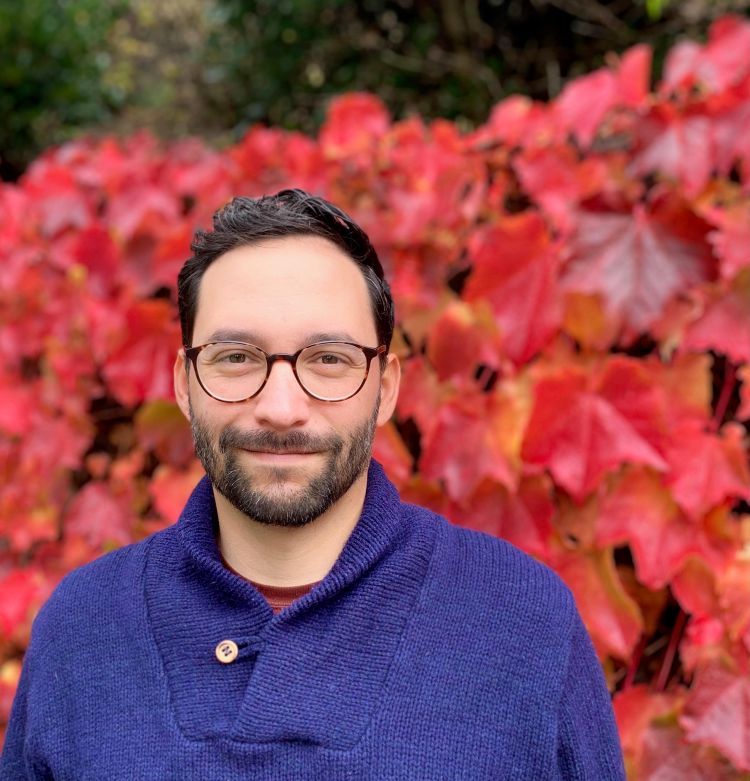
A night of insightful conversation with Vincent Martinez, Hon. AIA, President & COO of Architecture 2030, a leading organization dedicated to solving the climate crisis through the decarbonization of the built environment. With nearly two decades of experience driving systemic change, Vincent has been at the forefront of industry-wide efforts to achieve zero-carbon buildings and cities.
In this engaging presentation, Vincent shared proven strategies and real-world initiatives that have mobilized private sector commitments, informed public policy, and transformed how cities and industries address climate action. From his leadership in the 2030 Districts Network, fostering urban decarbonization in 22 North American cities, to his role in shaping global conversations at the UN Climate Conference COP28, Vincent brought a wealth of knowledge on what it takes to align policy, practice, and education for a sustainable future.
Attendees gained a deeper understanding of how the Central Coast and other communities can take actionable steps toward achieving carbon neutrality. Whether you’re a policymaker, architect, developer, or community advocate, this discussion offered invaluable insights into the future of sustainable urban development and how local leaders can help drive meaningful change.
Here are the resources Vince provided during his presentation:
Climate Action Planning for the Built Environment https://www.architecture2030.org/climate-action-planning/
A Decarbonization Framework for Planning, Landscape and Infrastructure
https://www.architecture2030.org/wp-content/uploads/Decarbonization-Framework-for-Planning-Landscape-and-Infrastructure.pdf
2030 Palette
https://2030palette.org/
Lawrence Scarpa and Angela Brooks:
Dignified, Innovative Low-Income Housing
January 30, 2025
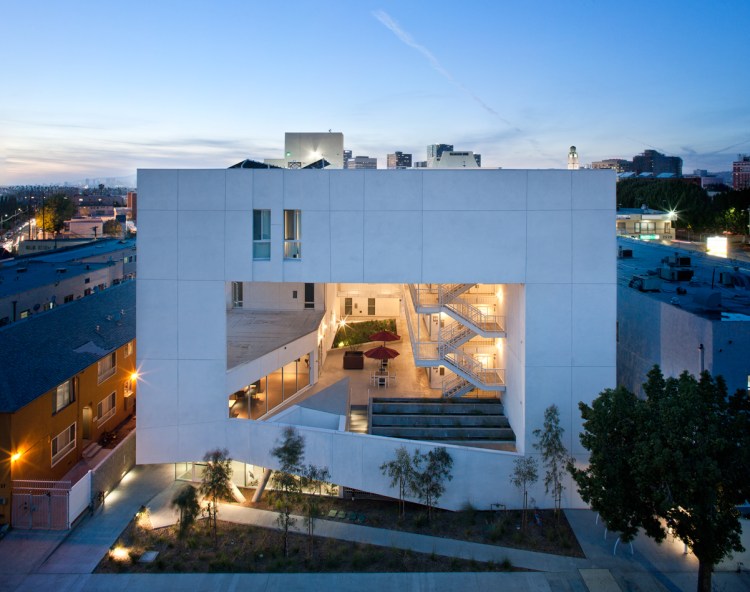
This lecture explored how consensus-building among stakeholders fosters groundbreaking ideas and innovative solutions to address the housing crisis while promoting dignity and quality of life for all residents. Through an inclusive approach, this lecture highlighted the importance of diverse perspectives in shaping innovative approaches to affordable housing that meets the needs of a disadvantaged population. Attendees gained insights into how design can bridge divides, build consensus, and create vibrant, equitable neighborhoods that enhance urban design and improve quality of life for all.
They discussed how new models and current trends in affordable housing design have produced innovative and cutting-edge designs while also improving our communities. They also showed examples of extraordinary affordable housing projects and their relevance to good community, neighborhood and urban design today. They demonstrated how hi-design affordable housing architecture can help create more equitable societies.
The session demonstrated the principles of design excellence in affordable and low-income housing design and how these principles contribute to social justice, better communities, neighborhoods and cities. Learning objectives are:
- Recognize priorities to improve integrated design approaches for affordable housing projects.
- Identify design opportunities that acknowledge/celebrate the constraints/opportunities of affordable housing resources that can spur innovation in affordable and low-income housing.
- Evaluate how to best integrate forward-thinking, emerging sustainable design technologies into low-income and affordable housing and how this contributes to and improves our cities and quality of life.
To find out more about the what the Brooks and Scarpa are working on, please check out their website: Visit Website
Norm Van Eeden Petersman:
Escaping the Housing Trap
November 7, 2024
It’s not just SLO. Talk of a “housing crisis” pervades American cities—be it about off-the-charts prices in coastal communities or hyper-vacancy in the Rust Belt. The good news is that communities far and wide are sharing their approaches to a shared challenge.
Strong Towns’ Norm Van Eeden Petersman Joined Building a Better SLO and Strong Towns SLO to discuss how a growing number of places are adopting reforms that can break them out of the “trickle or fire hose” dynamic and make incremental housing development possible again. A brief history of how we arrived at the current set of problems. How the incremental development of cities used to meet our housing needs, and why it no longer does. And why our cities have a “trickle or fire hose” problem, in which a small minority of neighborhoods undergo rapid, dramatic transformation while the majority see only a trickle of needed investment.
Strong Towns operates with the mission of replacing America’s post-war pattern of development, the Suburban Experiment, with a pattern of development that is financially strong and resilient. We advocate for cities of all sizes to be safe, livable, and inviting. We work to elevate local government to be the highest level of collaboration for people seeking to work together in a place, not merely the lowest level in a hierarchy of governments.
With a media presence reaching millions of people every year and a membership of nearly 3,000 people from all 50 states and several countries, the Strong Towns movement is reshaping the North American development pattern with a return to bottom-up, incremental growth. Strong Towns accomplishes this work by producing articles, podcasts, online and in-person events, trainings and more.
To find out more about the what the Norm is working on and how you can get involved, Please check out the resource site created by the Strong Towns team: View info here
Bre Przestrzelski:
A collaborative approach to community engagement
June 6, 2024
Housing, parking, homelessness, climate resilience, gender equity, racial justice … some of the biggest challenges facing our community have been discussed and debated for decades. While the solutions and approaches have evolved, the process through which community members and local government interact has largely stayed the same, until now.
Building a Better SLO held an interactive workshop led by Stanford University Innovation Fellow and former Stanford d.school coach Bre Przestrzelski where participants will:
- Gain practical tools for collaboratively creating community solutions.
- Deepen our understanding of collaborative design principles and their application in community development.
- Explore tools to amplify voices and activate participation in important community decisions.
To view the workshop results, please follow the link:
Frances Anderten:
Common Ground
The History & Future of Multifamily Housing
April 4, 2024
From the bungalow courts and apartment-hotels of the 1910s, through the development of garden apartments, to contemporary mid-rise “urban villages” and co-living spaces, Frances Anderton argues that multifamily housing can serve a contemporary California lifestyle that is as alluring, stable and attainable as yesterday’s exalted single family home.
The longtime architecture journalist will discuss the lessons and inspiration that citymakers can glean from the LA cityscape as discussed in her book “Common Ground: Multifamily Housing in Los Angeles.”
“Frances Anderton, with her characteristic humor, intelligence, and curiosity, has written a beautiful book on the power of architecture for multi-family housing. Part architectural memoir, part call to arms, this book will get people looking at and thinking about multi-family architecture in a new way.” —Frank Gehry, architect
Holly Shen:
Placemaking & Public Art
Building Safer & Healthier Communities through Creative Engagement in the Public Realm
October 19, 2023

Holly Shen dove into the transformative power of placemaking and public art and shared how creative interventions can foster a sense of community, elevate the quality of life, and establish safer and healthier environments.
She discussed the principles of creative placemaking and how they can redefine the relationship between people and the spaces they share as well as several case studies that illustrate the potential of artistic endeavors to shape public spaces, enhance engagement, and catalyze positive change.
Holly Shen is an independent writer, creative producer, cultural strategist, and fine arts and artists consultant at the intersection of art and technology, currently serving as Director in the U.S office of Lord Cultural Resources. A thought leader in creative-placemaking, public art, and digital strategy, she has diverse experience conceiving of and shepherding innovative program models in the cultural sector that drive audience outreach and foster value aligned community engagement. Holly is a passionate supporter of equity and access initiatives in museums and arts organizations, and advocates for Anti-Asian-AmericanHate platforms as well as other activist causes. Recognized for co-founding an experimental platform that connected artists and activists following the 2016 presidential election, she was named a Women in Power Fellow with 92Y’s Belfer Center for Social Innovation in New York in 2018 and was subsequently tapped to head the digital strategy and public program initiatives at San Jose Museum of Art, where she served as deputy director from 2018-2020.
“Building a Better SLO is a wonderful initiative and a great opportunity for thought leaders across urban development, public policy and cultural engagement to experience the unique cultural and creative offerings of SLO. From the Thursday night Farmer’s Market to the high-quality programming at SLO Musuem of Art, and proximity to the region’s thriving wineries, San Luis Obispo is a true gem and well-worth the trip, especially as part of an effort to encourage deeper learning from peer cities and experts across the US.” – Holly Shen
Lindsay Sturman:
The 15-minute city
A grassroots approach to building livable communities
September 14, 2023

What does a livable community look like and how can we make progress in our own neighborhoods?
Lindsay Sturman shared the Livable Communities Initiative, a plan whose hallmarks includes leveraging the power of grassroots organizing, gentle density, and rethinking commercial streets to be safer and more accessible. Based in LA but with lessons for cities everywhere, it is a unified vision for 15 minute communities that take into account our most pressing housing, traffic and climate challenges.
– Community development decisions that led to today’s typical city structures
– Benefits of taking a grassroots approach to community development and
– Actionable steps that can be taken to create more livable communities
Lindsay Sturman is the Founder of the Livable Communities Initiative, a holistic plan to address housing, mobility and climate crises. She is an activist for causes including climate, housing, mobility, and education. She is the co-host of the podcast “Bike Talk,” where her focus is on safe bike infrastructure and Dutch design and engineering. She has been a television writer and producer for twenty years, with a creative passion for kind and positive television.
See her recent interview on Active Towns here.
Chad Lynn: The Parking Paradox: discussing strategies cities can implement now to prepare for future parking needs and debunk common parking myths.
May 18, 2023
Even if you never drop a quarter (or swipe a credit card) in a parking meter, there is no such thing as free parking. Space for our cars to wait – on the street, in a structure or at home – is a precious commodity. How we plan for and price parking has significant impacts on equitable access, environmental health and economic vitality now and into the future.
For years, we’ve been hearing that a life less reliant on cars (and car storage) is right around the corner, and will bring with it more inclusive, pedestrian-oriented and climate friendly neighborhoods. But how should we approach parking policy between between now and then?
With more than a decade of experience in parking and public works, Lynn will share his perspective on navigating this challenge, what every city needs to be considering in the next five years, and real world examples of communities that have redefined their approach to parking with great success.
Lynn has been recognized for his expertise, customer service focus and forward thinking implementation of technology on behalf of local governments. Since the early 2000’s, Lynn has led transformative projects across parking and mobility, public works, water and special project divisions for communities including Beaverton, OR, the City of San Rafael, CA and the City of Beverly Hills, CA. Lynn began his professional career in private sector parking and logistics services for large-scale events such as the 1996 Olympic Games in Atlanta, NASCAR and PGA Championships.
No great city has ever been known for its abundant supply of parking.
— Allan Jacobs
Natalie Stiffler: Boulder (CO) approach to transportation
October 20, 2022
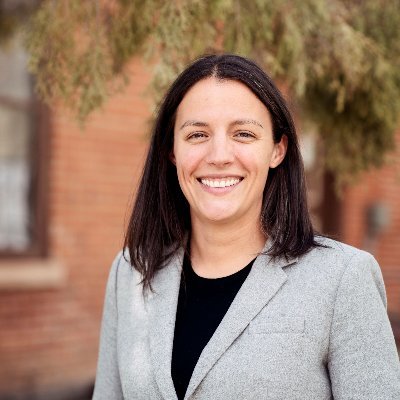
SLO has long been inspired by Boulder’s approach to everything from economic development and open space to the arts and community design. Their approach to getting people around the city is no different. With a goal of building a people-first transportation system where people of all mobility levels can get where they need to go safely and efficiently, Boulder has successfully built more than 150 miles of bike-friendly infrastructure and is consistently rated as one of the most bike- and pedestrian-friendly cities in the country.
Stiffler dove into ways that they have created a transportation system that is sustainable and reduces negative impacts on Boulder’s natural environment, whether that’s through electrifying our local bus fleet, supporting walkable neighborhoods or building multimodal infrastructure that makes it easy and convenient to choose non-vehicular modes of travel.
She also showcased examples from other cities around the world who have designed systems that make moving around more efficient, safe and enjoyable.
To find out more about the what the City of Bolder is doing under Natalie’s leadership, Please visit their website
Anyeley Hallova: Equity In Practice: How to Approach Development Projects to Respect The Natural Environment and Build Inclusive Communities
June 21, 2022
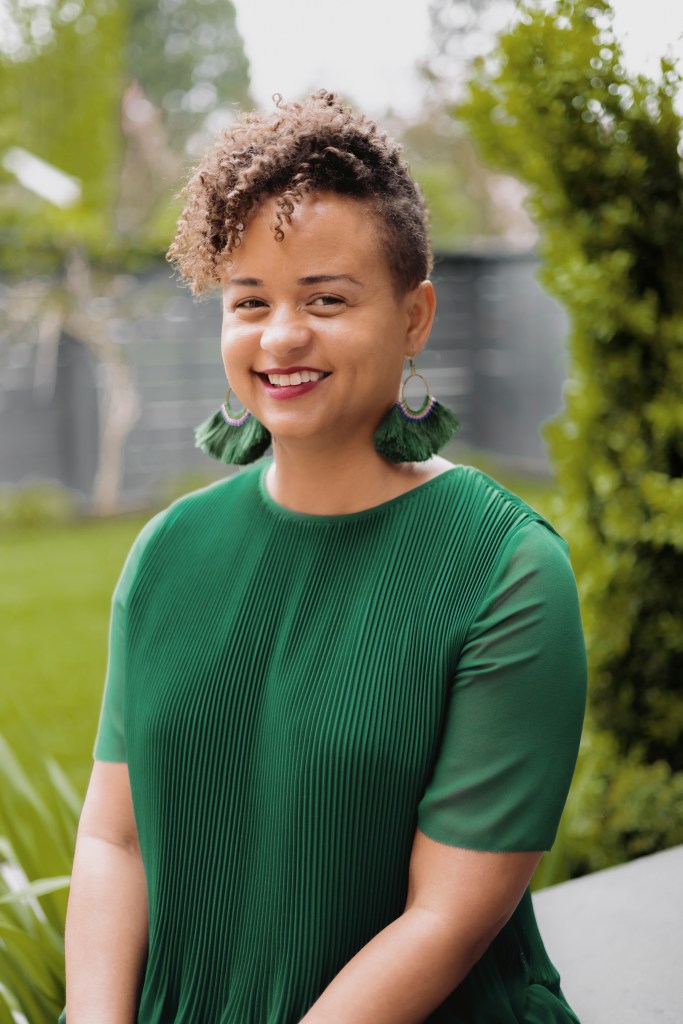
On June 21st, Anyeley Hallova, founder of Adre, an equity-centered real estate development company based in Portland, Oregon, presented on how equity, sustainability, and diversity can and should be the cornerstone of building development projects.
Adre was founded with the purpose of developing building projects that create social and economic benefits for Black, Indigenous and people of color (BIPOC) through the creation of mixed-use developments, affordable homes, and facilities for mission-driven organizations. Hallová will share the story behind the creation of Adre and her experience delivering innovative and equity-centered development projects. She will also discuss how to use tools and processes that are rooted in the values of diversity, equity, and inclusion to create tangible advancements in the built environment, and what inclusive, sustainable development looks like, from start to finish.
To learn more about what Anyeley is doing she suggests reading the book The Color of Law by Richard Rothstein
Moey Newbold: Protecting Open Space Through Well Planned Cities
May 26, 2022
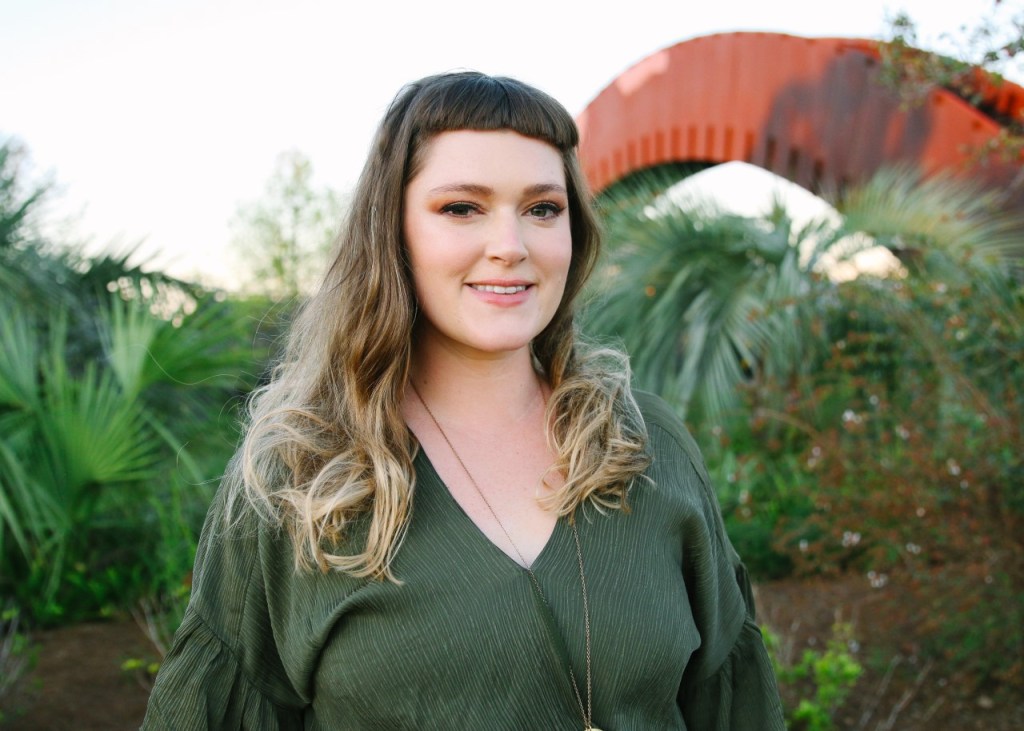
On May 26th, Moey Newbold, formerly with Central Oregon LandWatch, to discuss how Bend, Oregon’s open space advocates lead the successful shift away from sprawl to a more dense, walkable, and vibrant cityscape. She shared the story behind her community’s incredible shift, talked about why an environmental organization can champion smart growth, and discussed what cities like SLO can learn from Bend’s story.

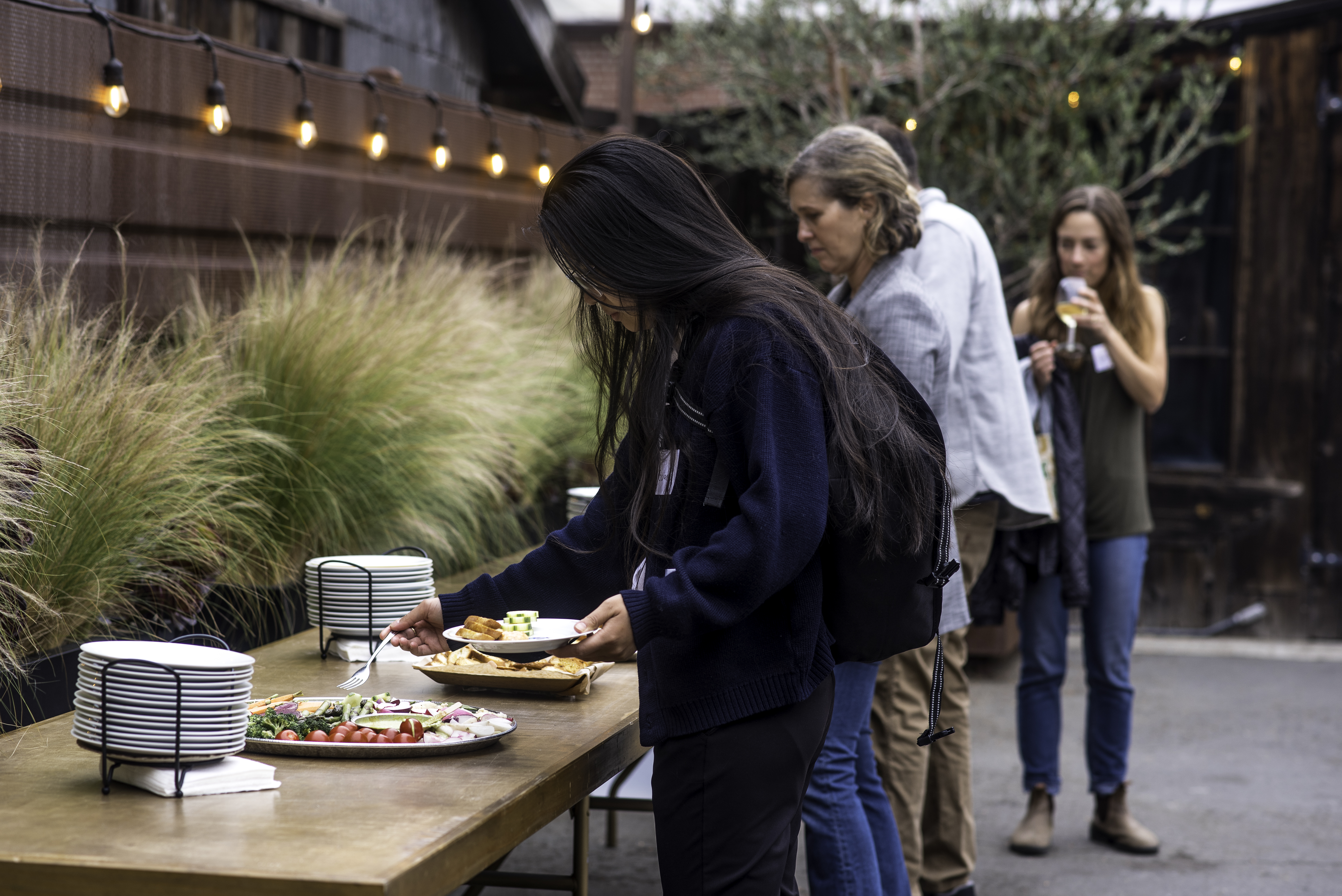
To find out more about the what the LandWatch is doing in Oregon, Please visit their website
Tony Perez: Creating Missing Middle Housing
January 20, 2022
How can SLO encourage higher density housing that is affordable to middle class workers?
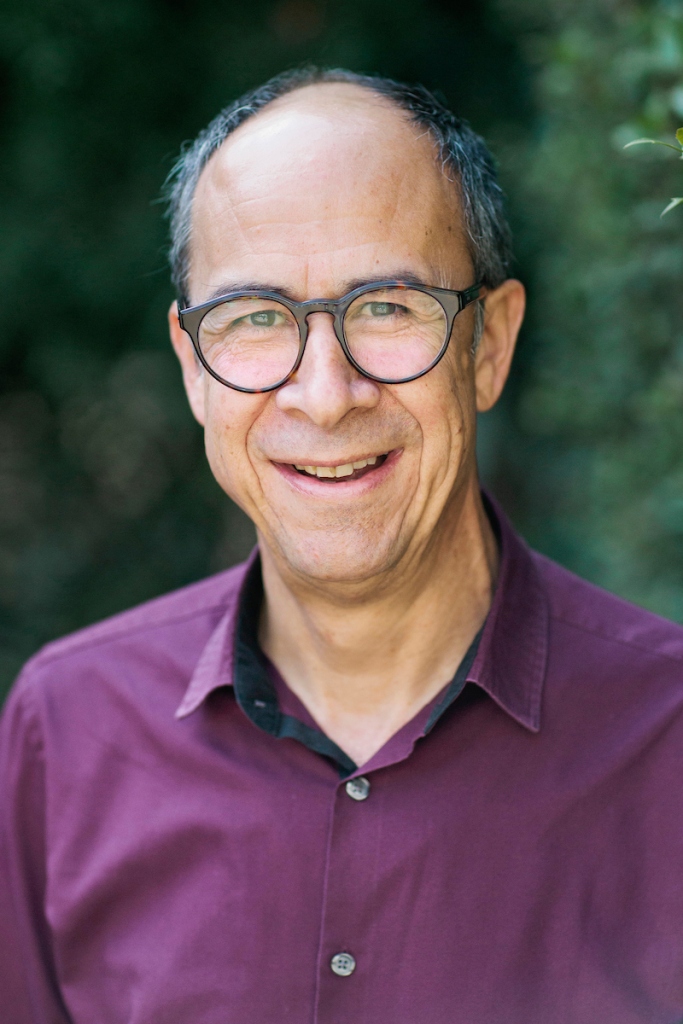
On January 20th, Tony Perez, Senior Associate with Opticos Design, to San Luis Obispo. As our community and the entire state grapple with the need for affordable housing and housing in general, infill projects take a front row seat. Perez is a Missing Middle Housing expert who has worked with communities to establish and translate policy direction into clear and implementable development standards.

To find out more about Tony’s work, you can purchase the book Missing Middle Housing by Daniel G. Parolek
Blane Merker: Streets for Living | How the public realm can transform SLO’s growth
October 21, 2021
Public space helped cities survive the pandemic. There’s a lesson for cities to thrive beyond it.
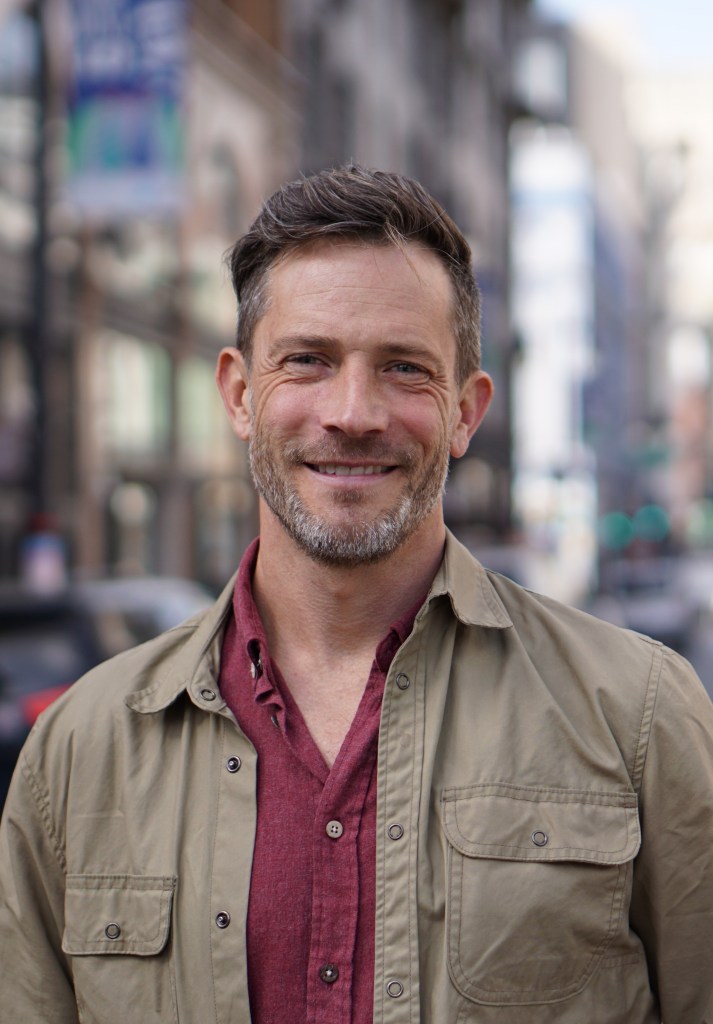
On October 21, Blaine Merker, Managing Director of Gehl, to SLO to explore what an urban public realm could look like, why it can combat the epidemic of isolation, and how the city can emerge from the challenge of Covid-19 smarter and stronger.


Donate
Building a Better SLO is under the fiscal sponsorship of Ecologistics, a 501(c)(3) non-profit organization. To support our work, GIVE HERE.
 Building A Better SLO